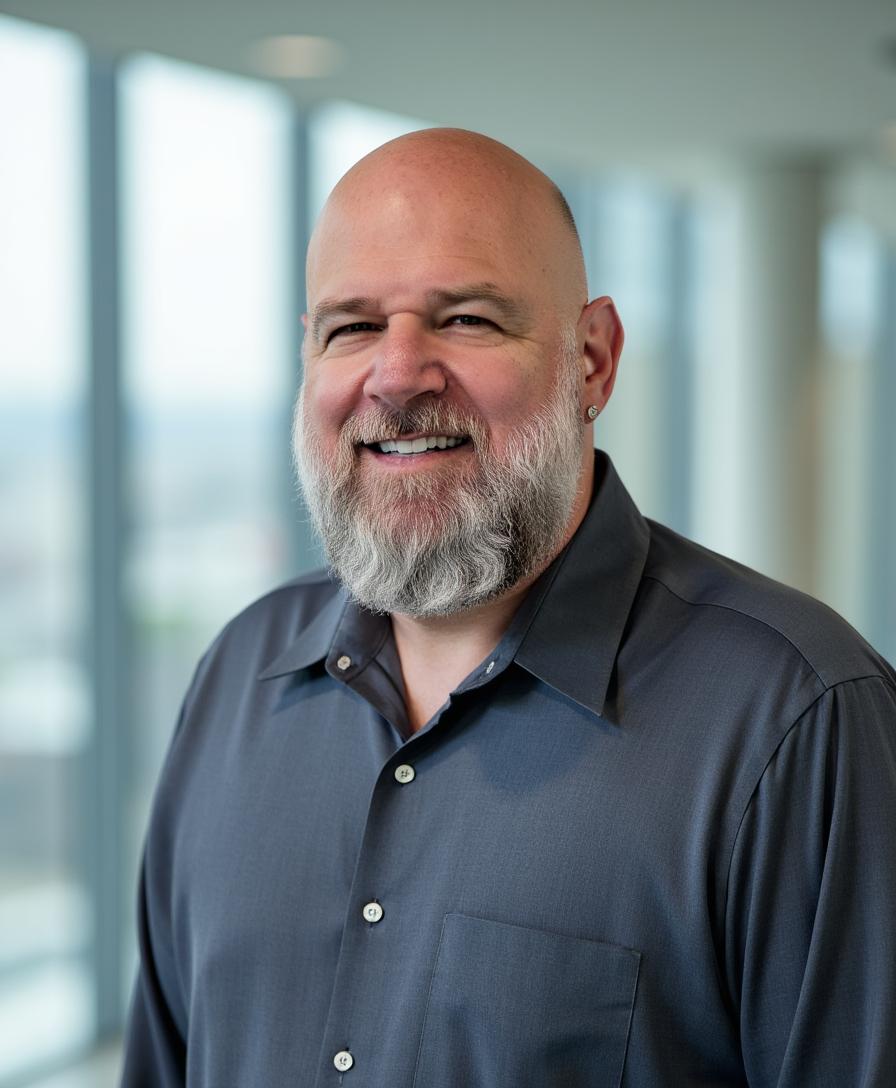
Founder
Dr. David Karol Gore
Founder · Licensed Clinical Psychologist, Clinical Fellow of the American Association of Marriage and Family Therapy
Every therapist should have some basic beliefs and practices to guide their work. Here are mine.
NOTE: There is a 3 to 6 week wait for new client appointments with Dr. Gore.
Credentials at a glance
40+
Years of clinical experience
Ph.D., Licensed Clinical Psychologist (Georgia)
AAMFT Clinical Fellow
Focus
Children, teens, and families
About Dr.
I've spent 40+ years helping kids, teens, and whole families move out of stuck patterns and into the kind of lives and relationships they actually want. My approach is direct, warm, and unafraid of hard conversations.
I don't keep people in therapy for years. Most clients come and go relatively quickly, and reappear when a new life event challenges them. Others want to go deep, and I go there with them. The point is: we go wherever we need to in order to help you feel better and have better relationships.
Professional, caring, and responsive
I will treat you with care, respect, and dignity. I am always available by phone, and I will call you back as quickly as I can. Asking for help is hard, and I promise to make it as easy as possible for you to get started.
Flexible approach
I'll go slow where we need to go slow, and try to go quickly where we can go quickly. I don't have just one or two techniques that I use; I will do whatever is needed to get you or your family on the way to making important changes in your life.
I have a thriving, busy (but not too busy) practice, filled with wonderful clients. I don't keep people in therapy for years and years. Most of my clients come and go rather quickly, then reappear when a new life event is challenging them. This is called brief intermittent psychotherapy, and I believe in it. Other clients want to go deep, and I go there with them.
Medications
I tend to be against using medication for emotional and behavioral issues (especially with children and adolescents), yet I will tell a client they need to consider starting a medication if they truly need it. I don't believe medication should be prescribed quickly or cavalierly. I don't believe a person should walk into a doctor's office, say they're feeling blue, and walk out 3½ minutes later with a prescription. Why are they blue? Why is life not working? What are they trying to do different?
After several sessions of psychotherapy, if a client's sadness and hopelessness are still there, then let's talk about medication. I have several psychiatrists I refer to, and I believe it's important for a person to have a good relationship with their physician. What I don't like is when doctors give drugs as a knee-jerk first response. Therapy works, works well, and should be the first course of action taken. It works at a level deeper than any drug can touch, and it lasts longer.
Insurance
Many people look only for therapists approved by their insurance plans. I've had clients leave my practice, go to a cheaper therapist on their plan, and reappear in my waiting room a few months later.
I am not on any insurance plan. Some insurances will pay a substantial amount for your therapy, some will pay a little, and some will pay nothing at all. I will be happy to provide you with receipts for your insurance company, but I will expect you to pay in full at the time of the session.
Who I work with
Kids
I am an Atlanta child psychologist and have seen children as young as four. But I don't see kids alone. I see children as a function of where they are within their family. It's not okay to have parents in the waiting room while I cure their child. Parents need to be in the therapy room with us, contributing solutions and working on changing their contributions to the difficulties.
I don't do much play therapy, and don't believe in it as a primary form of treatment for children unless they are orphans with no living relatives. I believe the number-one problem with children today is that parents are reluctant to be fully in charge, preferring instead to treat their children as peers and equals. I've seen many families in which the children are in charge of their parents when therapy begins. That soon changes.
Teens
I treat teenagers within the context of their families, usually alternating between individual and family therapy. I love rebellious teenagers. I love unhappy teenagers. I love teenagers who can't fit in. I remember being there not too long ago. I deal head-on with drug and alcohol use, abuse, and experimentation.
Substance abusers
I treat addicts, alcoholics, and people who may not be full-blown dependents but are abusing chemicals to the detriment of their lives and the lives of those around them. My experience has taught me that subtlety is not the way to go with chemical abusers. I challenge them, hard. I work with their spouses, parents, children, and whomever else the use impacts. Family therapy is essential to recovery.
I believe in the 12-step approach and push it hard. If someone refuses to go to AA, NA, or CA meetings, I will work with them anyway and continue to push them toward meetings. These programs aren't perfect, but they're free, readily available, and the best thing available for addiction recovery.
Postpartum mood disorders
I treat a lot of couples with postpartum depression and postpartum mood disorders, which include anxiety issues. I fell into this specialty because Emory University has a world-renowned program, and the founder of that program admired how I worked with the couples he was treating and sent me the majority of his marital therapy cases. I am good at getting husbands involved in their wives' recoveries from depression.
Adult individuals
I see these folks most often in my office, not because they have more issues, but because they seek therapy more often than others. Although therapy takes place with just the individual client, I always consider where the client is relative to their family of origin, and in the context of their life today: work, relationships, and everything else.
Rate
$415 (50 minutes) / $500 (60 minutes): Families/Extended Individual Appts.
Phone
404-237-4300Ready to work with Dr.?
Book a free 20-minute consultation to get started, or reach out directly.
Free · 20 minutes · No obligation